
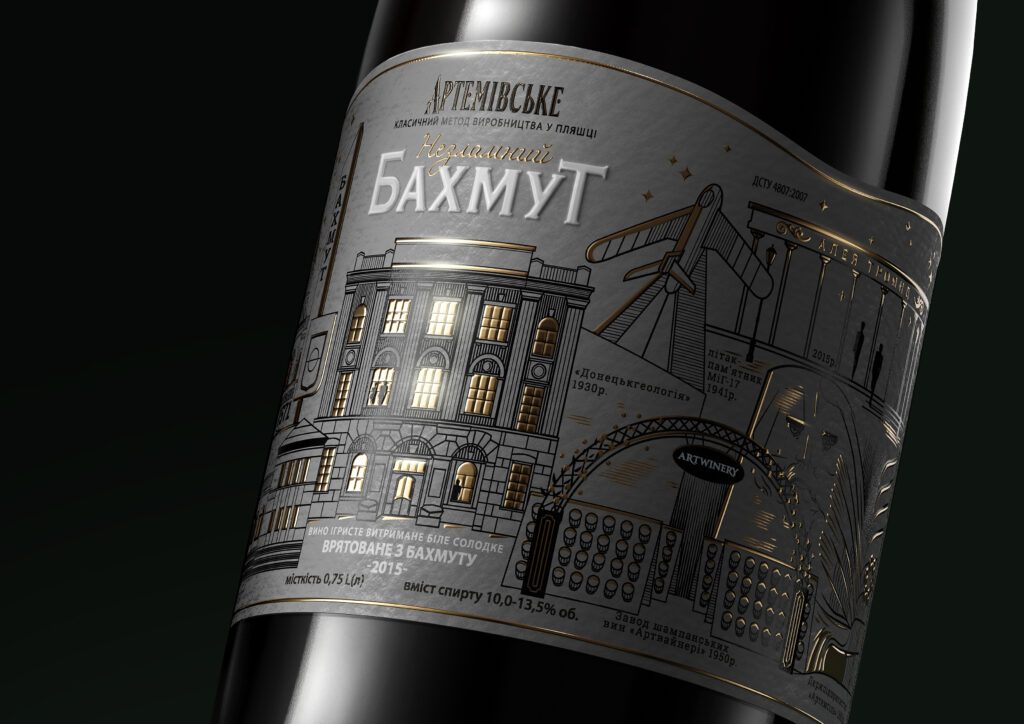
Building communication
brand

 consumer


Let's take a look at what retail really is.
Modern retail shelves are an aggressive environment where the constant battle for consumer attention takes place. This attention can be captured using various communication methods,
one of which is packaging design.
Packaging design is our core specialty.
For the past 10 years, we have been studying and testing the principles of creating effective packaging as a powerful sales tool.
PRODUCT PACKAGING TODAY
It is the most friendly and subtle communication tool. Whether we want it or not, interaction with packaging is inevitable.
Packaging not only helps us identify the product but also introduces us to it, influences our decisions, and builds trust in the brand.


THE MODERN SHELF
It’s becoming increasingly aggressive, complex, and diverse. New products and brands with fresh solutions and promises are constantly emerging.
Some of them gain instant popularity, while others quickly fade away.
THE CHOICE IS UP TO THE CONSUMER
Traditional communication methods remain effective, but they don’t guarantee that your product will be chosen at the crucial moment.
It is on the shelf where the consumer makes the final choice between brands and products.

The goal of packaging design is to provide a relevant* answer to the consumer's needs as they stand in front of the product shelf.
Relevance is a term that gained popularity in internet marketing, but we also actively apply it in the FMCG sector, viewing the store shelf as a commercial search platform where various products compete. It is in this environment that packaging design shows its effectiveness and ability to earn consumer trust.
CREATING RELEVANT
PACKAGING DESIGN
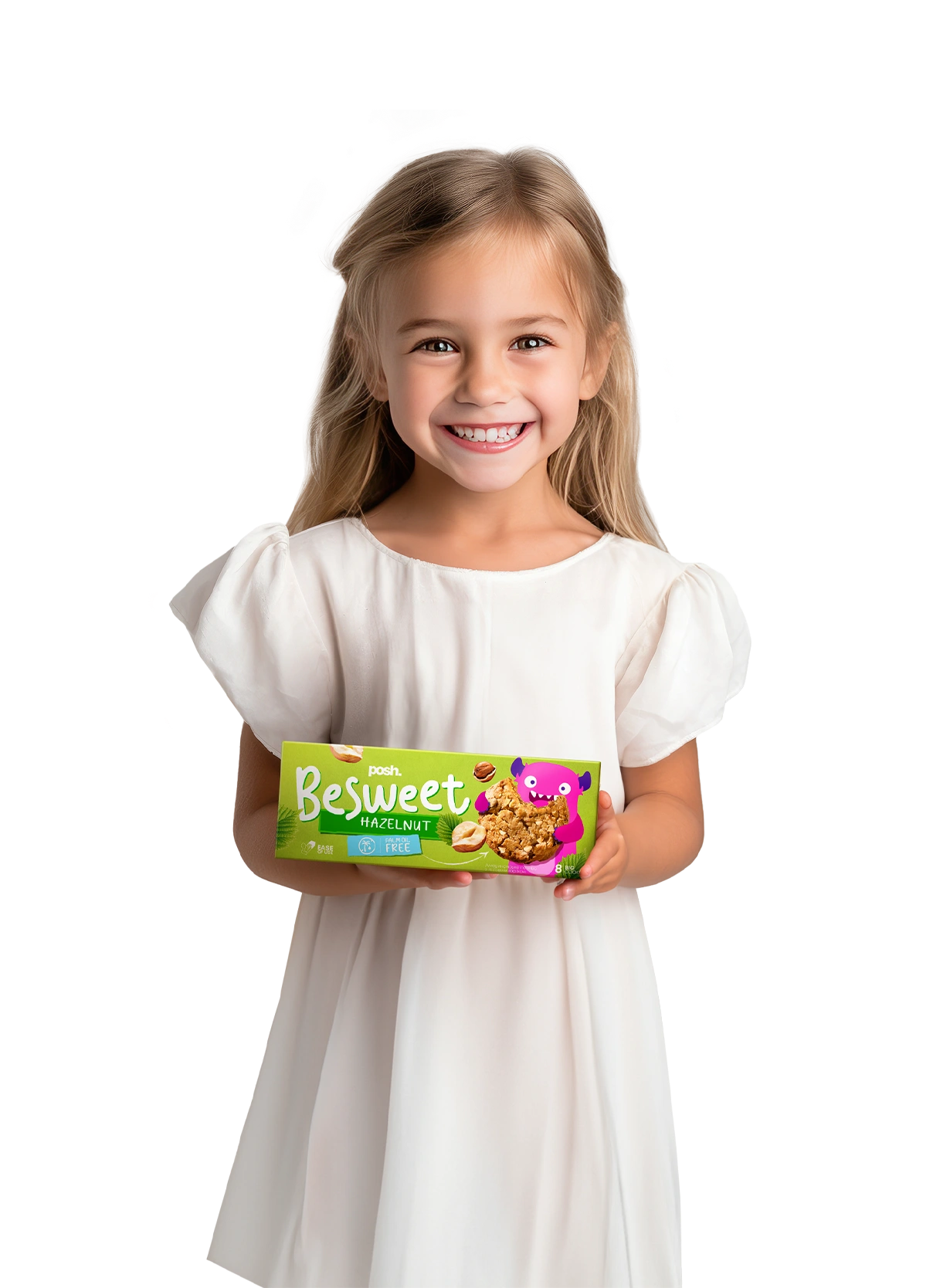
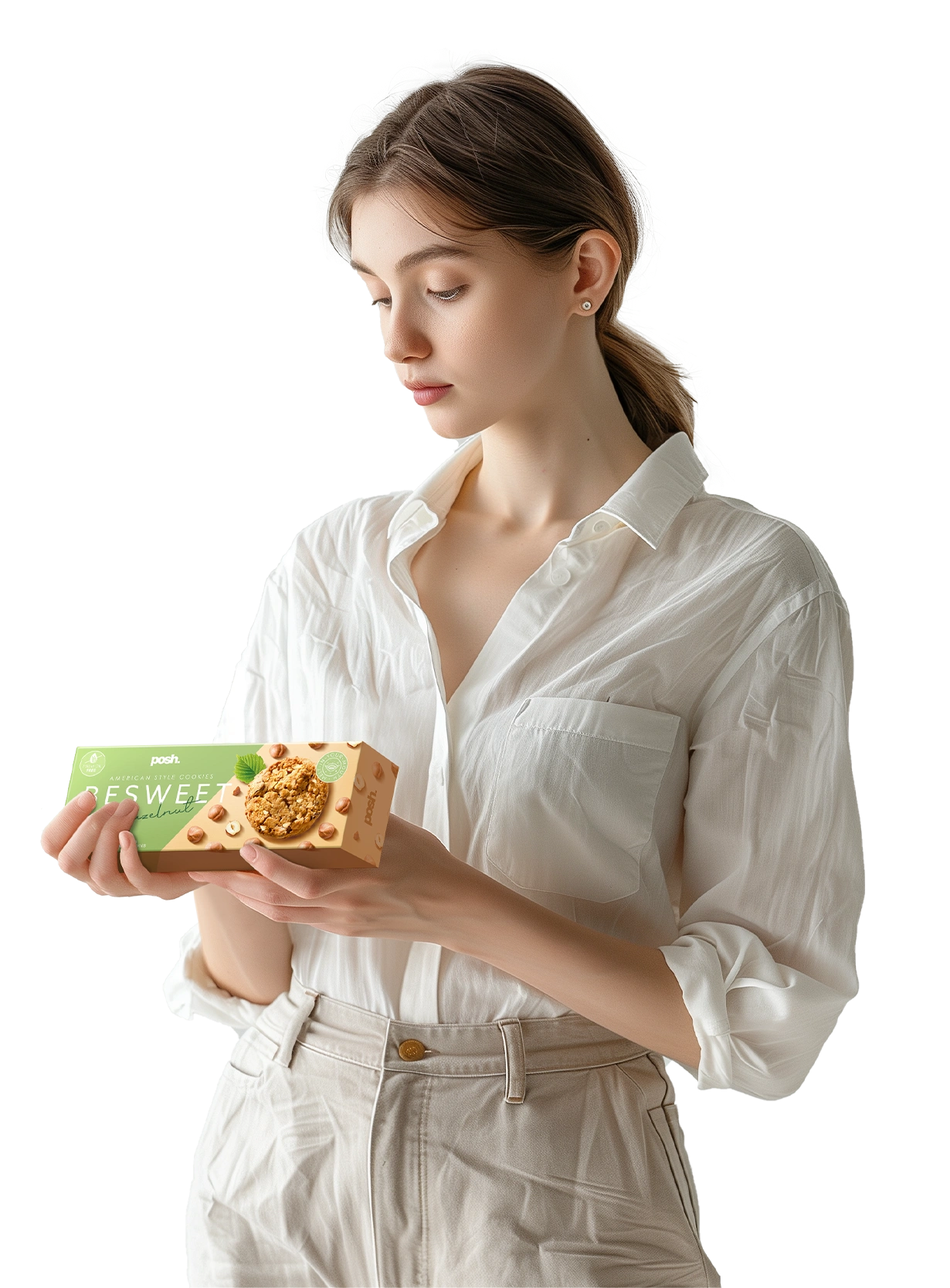
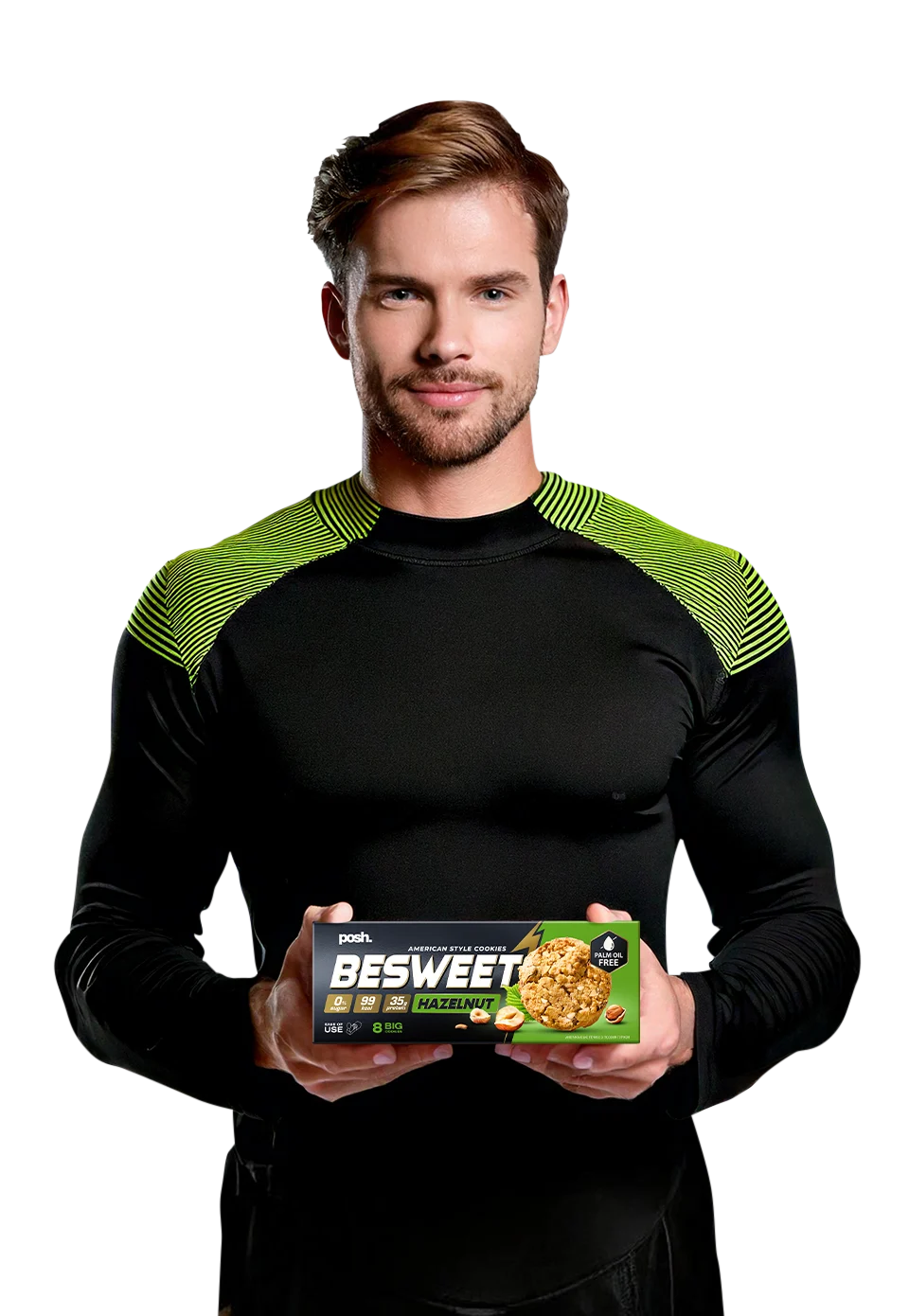
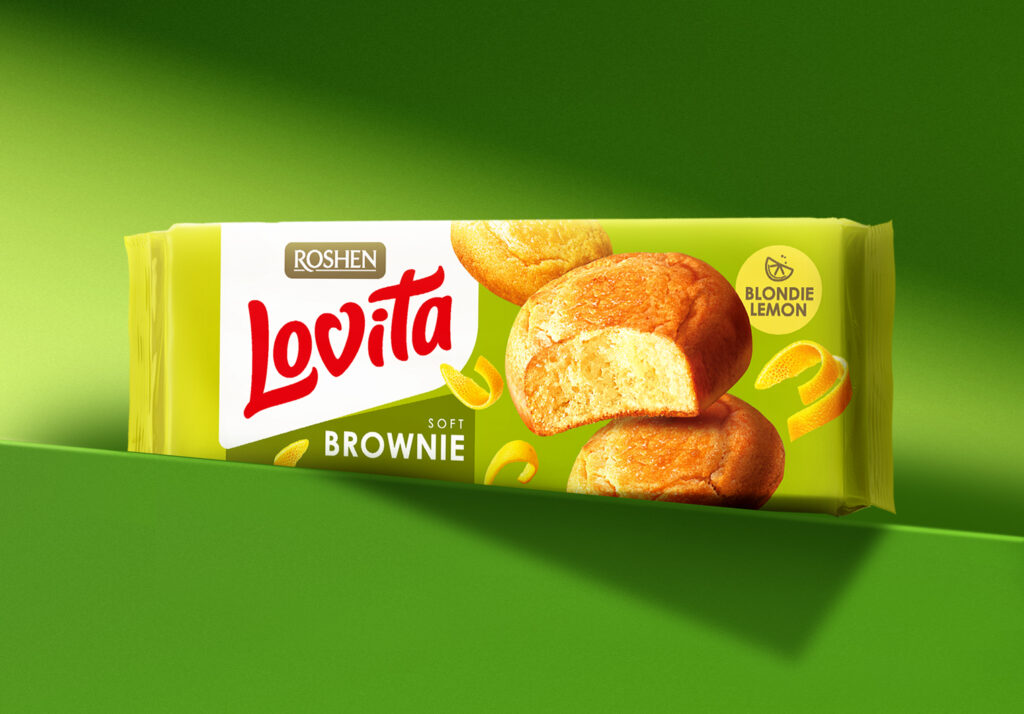
Let's take a simple example: a regular cookie.

Who am I?
Exploring
the Product
It's crucial to clearly understand what exactly we are selling, as well as define the category and niche we aim to enter. Identifying the key features, benefits, and promises of our product is essential.
Additionally, we must identify both direct and indirect competitors, analyze their visual strategies, positioning, and communication methods.
Consumer
Experience
Analysis
The main goal is to understand consumers' motives and desires. It's important to uncover what drives their decision-making when choosing a product in the selected category and niche. What emotions play a key role in their decision to pick a specific product or brand?
We must examine all the ways the product is used, identify important features, conveniences, and hidden wishes or preferences that influence their choices.


Creating a Hypothesis Map
We ask the question: what could our product be in today's market considering current trends? The product should not be limited to a single positioning strategy.
Developing hypotheses allows us to understand how and with whom the product can interact in the market, define its character, archetype, and core essence. This also helps in forming the product range matrix and developing differentiation strategies.
Creating the Emotion of the Product and Brand
Positioning, archetype, naming, style, graphic approaches, shape, and materials—all these factors play a crucial role in generating initial emotions during interaction with the product. Our task is to anticipate the consumer's mood and establish an emotional connection that evokes sympathy at first glance.
We approach this consciously, excluding personal biases and subjective judgments, and we create an emotion map tailored to different niches and target groups.
Reflecting the Essence
It’s essential to communicate clearly to the consumer what exactly they are purchasing. The key is to provide a context that is easily understood. You need to highlight the product’s characteristics—such as color, composition, shape, size, volume, flavor, tactile sensations, ease of use, and other important features.
When analyzing the target audience and competitors, it's crucial to understand which of these characteristics matter most to the consumer, ensure easy identification, and make sure that the key information is presented clearly.
Conveying Value
The final step is to convince the consumer of the reasoning of their choice and emphasize the product's value. Here, we communicate the brand's key promises.
It's important to understand what your audience values in this niche: what sensations or results are they expecting? Special sourcing of ingredients, status, adherence to traditions, unique recipes, exceptional experiences, or lifestyle principles—anything competitors cannot offer is perceived as an advantage.
This can be effectively conveyed through prominent icons, visual imagery, or a well-organized information hierarchy.
This is the logic
we follow
When considering the effectiveness and efficiency of packaging, we track market trends and manage the emotional aspects of the brand to make the product more relevant.
The market is dynamic, and both competitors and consumers are constantly evolving. Over time, the effectiveness of packaging may diminish, so it’s crucial to continually analyze it and adapt to current conditions.





Didn’t find your answer?
Then send it to us right now. We usually reply quite quickly. And we add the most interesting questions here.
Ask us
We are often asked
How much does packaging design cost?
The cost of packaging design depends on the task’s complexity, the team’s professionalism, and the development timeline. Expedited projects may command higher prices due to the need for additional resources. In 2024, market prices typically range from $1,000 to $7,000 per project. Costs vary based on the technical brief’s level of detail, the agency’s experience, and the project’s scope. We aim to offer a competitive combination of speed and cost, ensuring value for our clients.
How many concepts do you offer to choose from?
We offer a minimum of 3 concepts to choose from. However, if the project is interesting, the team is deeply involved in the process, and the technical brief is well-developed, our designers may show enthusiasm and offer more options. In such cases, the number of concepts can reach up to 8, including different configurations and design approaches. We strive to provide enough ideas so that you can select the optimal solution for your brand.
What is your experience in packaging design?
We have specialized in packaging design since 2013. Over the years, we have worked across nearly all market categories. We actively collaborate with national retail chains, which allows us to stay up to date with market trends and developments.
Our goal is to create packaging that is featured in all categories and stores in the country, with aspirations to expand globally in the future.
How to evaluate packaging design?
Packaging design is often evaluated subjectively, based on whether it “looks good or not.” While we generally consider the client’s opinion, it’s important to remember that the primary goal of packaging is not just aesthetics, but also functionality.
For objective evaluation, we recommend using three key criteria:
1. How well does the design evoke the right associations and emotions within the target audience?
2. How clear are the contents and product characteristics presented on the packaging?
3. Do the design elements contribute to the product’s selection and drive sales growth?
Thus, effective packaging should not only be visually appealing but also serve the business objectives.
What is the most important aspect of packaging design?
Today, the consumer’s eye is very accustomed to constant visual stimuli. To grab or hold their attention, it is essential to evoke emotions. The packaging must stand out.
That’s why the most important aspect is understanding your audience on a psychological level—anticipating their motives and preferences. Following that, rational factors like brand promises and product clarity take second place.