






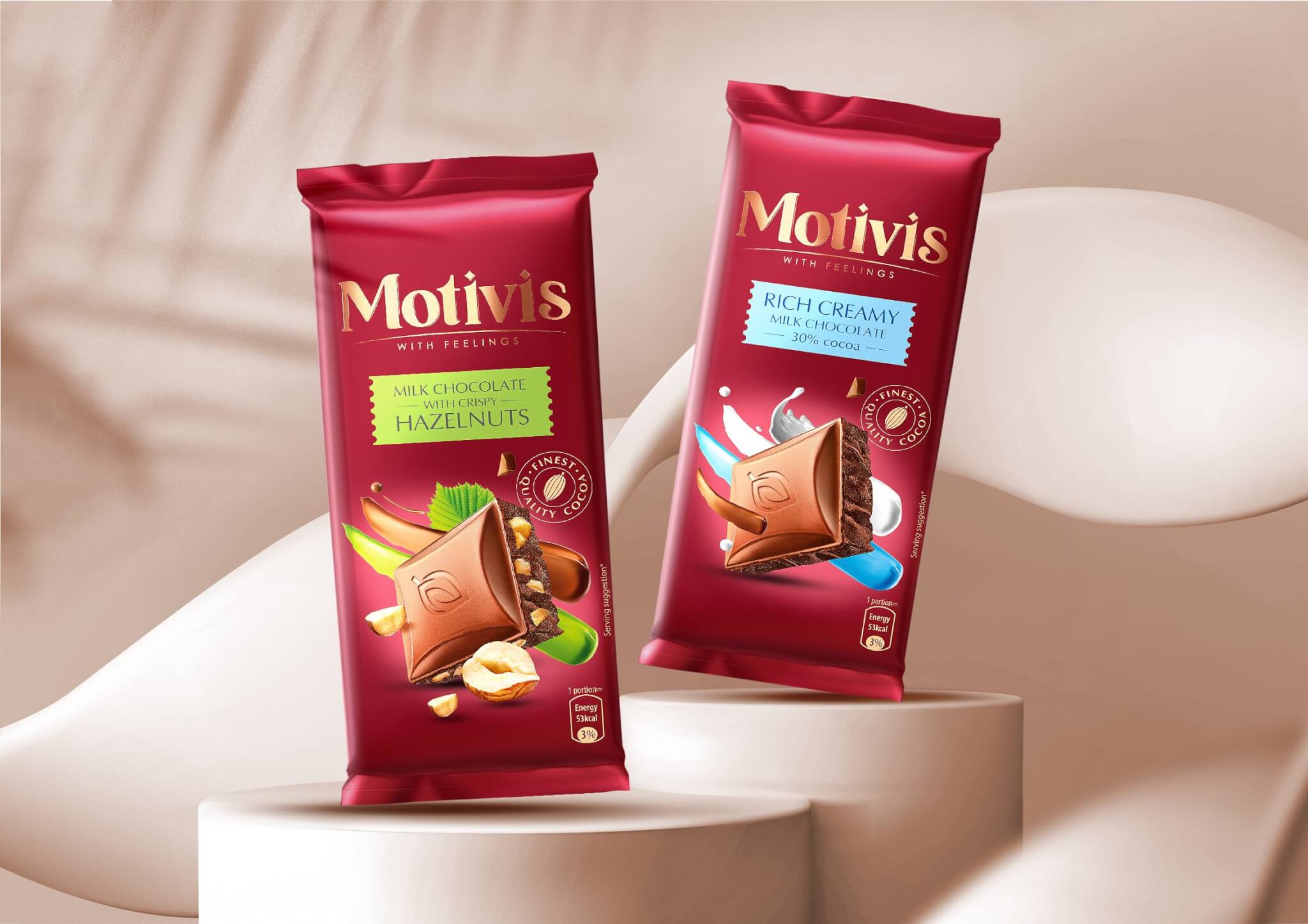
BRAND STRATEGY IN POSH FMCG BRANDING

BRAND FOUNDATION

Brand Strategy
This stage forms the foundation for future development. Here, we focus entirely on data collection. This helps to clearly and concisely formulate the expert brief and technical specifications, making any marketing process more comfortable, faster, and more effective.
Understanding the fundamentals of the brand—what we are selling, who we are selling to, why, and how—allows all project participants to accurately identify touchpoints with the target audience and create a communication and design strategy for future products.
Our team will thoroughly study your product, compare it with your concept, analyze the current market situation, and make decisions about what the final product should be and how to enhance its effectiveness and conversion potential.

Stages of the project:
- 1. We gather as much information as possible →
- 2. Identify direct and indirect competitors →
- 3. Study their visual strategies →
- 4. Evaluate key unique selling points (USPs) →
- 5. Identify common trends in competitors' strategies →
- 6. Explore consumer experience, motives, and desires →
- 7. Identify potential niches within the category →
- 8. Propose several strategic hypotheses →
- 9. Formulate positioning →
- 10. Visualize the emotional layer of the brand →
- 11. Determine references and style guidelines →
- 12. Create an expert brief →
- 13. Answer the question of how the brand should look →
CONSISTENT AND INFORMED ACTIONS
FOR GROWTH AND DEVELOPMENT
BRAND AND TEAM
FORM REQUESTS AND GOALS
ANALYZE AND FORM HYPOTHESES
ADD DYNAMICS TO BRAND
conceptual solutions
help to promote

Didn’t find your answer?
Then send it to us right now. We usually reply quite quickly. And we add the most interesting questions here.
Ask us
We are often asked
Can design be done without a technical brief?
Yes, it is possible, but in that case, the result will be based solely on the designer’s subjective vision. If you want an effective design, a technical brief is necessary. A technical brief is a logical and structured plan for achieving the desired result. It allows all participants in the process (the client, the designer, and the agency) to express their wishes, recommendations, and vision. This ensures alignment and that the design satisfies all parties involved in making the final decision. Without a technical brief, it is difficult to evaluate the success of the project and whether the design aligns with your goals. The technical brief is the foundation of quality work.
Why is market and audience analysis important?
The market and consumer mindset are constantly changing, along with trends, styles, and preferences. To remain competitive, it’s essential to keep an eye on developments in categories and niches, explore new printing technologies, materials, and shifts in mentality and culture. Market and audience analysis helps to understand what your consumers expect and to adapt packaging design to not only meet their demands but exceed their expectations. Packaging should always promise a little more than what the competitors offer, and to do so, you need to stay informed about all changes and trends. This analysis is the foundation for creating a successful and effective product.
What is the timeline for developing a brand strategy?
The process of developing a brand strategy consists of several stages:
1. Understanding your business and product.
2. Researching the market specifics, competitors, and consumer behavior.
3. Formulating hypotheses and suggestions that will form the basis of the strategy.
4. Presentation, discussion, and feedback.
5. Finalizing the brand strategy and technical brief, incorporating all relevant data.
This process typically takes between 5 to 10 business days. The timeline depends on the depth of analysis, initial data, alignment of actions, and the speed of synchronization with your team.
What if we already have a marketing analysis?
That’s great! Having an existing analysis significantly reduces the work time and can optimize the budget. We will carefully review your data, identify key aspects, and use them to form hypotheses and further develop the brand strategy. Your research will serve as a solid foundation on which we will build unique and effective solutions for your brand.
What data sources do you use?
We rely on several key sources:
1. Publicly Available Data: We analyze information from public sources, including market reports, research, and trends.
2. Internal Expertise: We leverage our accumulated insights and observations based on years of experience working in various segments.
3. Client-Provided Data: If you already have marketing research results, we study them and integrate them into the project.
If needed, for a deeper analysis, we can organize qualitative or quantitative studies, focus groups, or in-depth interviews. To achieve this, we develop a technical brief and collaborate with specialists in global marketing research. This approach allows us to account for all aspects and develop projects that best meet the goals of your business.