





DESIGN STRATEGY POSH FMCG BRANDING

INDIVIDUAL APPROACH

Design Strategy
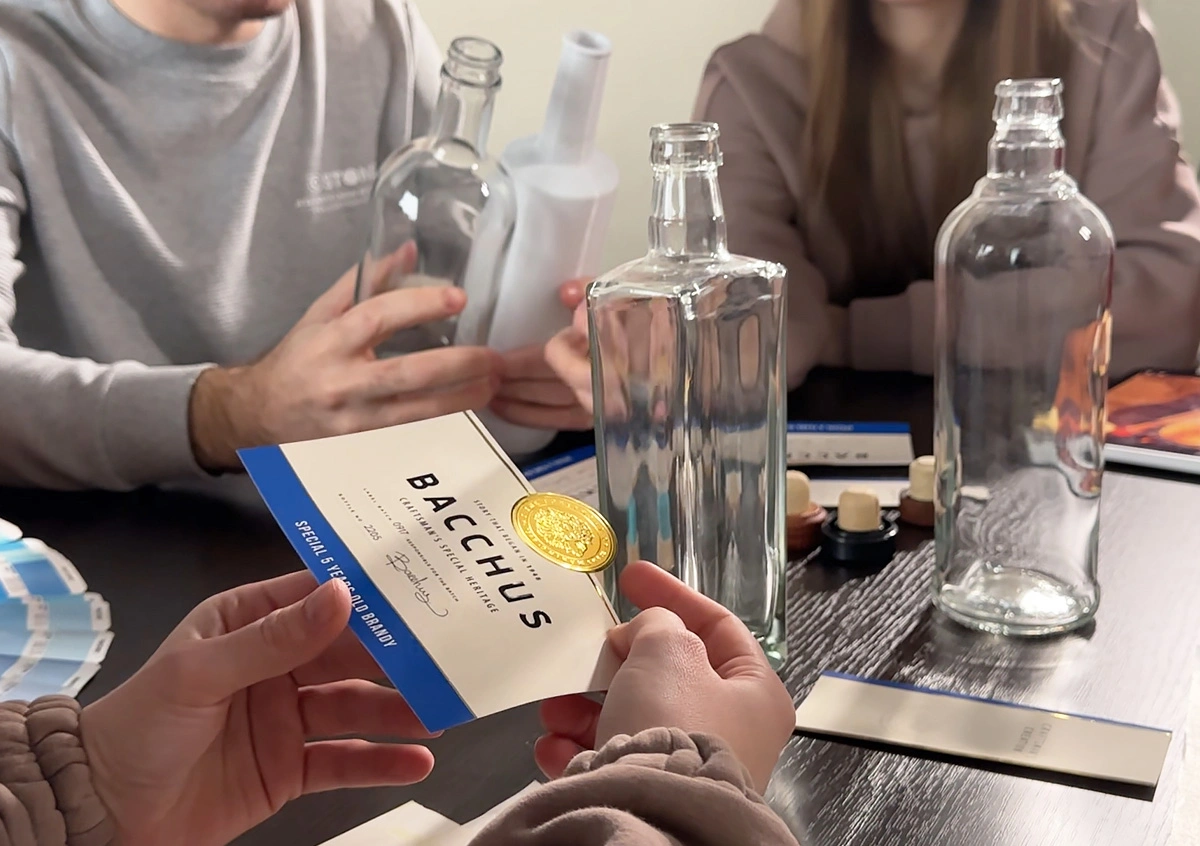
Based on the positioning strategy and objectives defined in the expert brief, we develop up to four unique concepts for the future brand design strategy. To demonstrate the adaptability of the concepts, we select two to three SKUs in different formats. Each concept will clearly convey the emotional message of positioning, the values, and the advantages of the product and the brand as a whole.
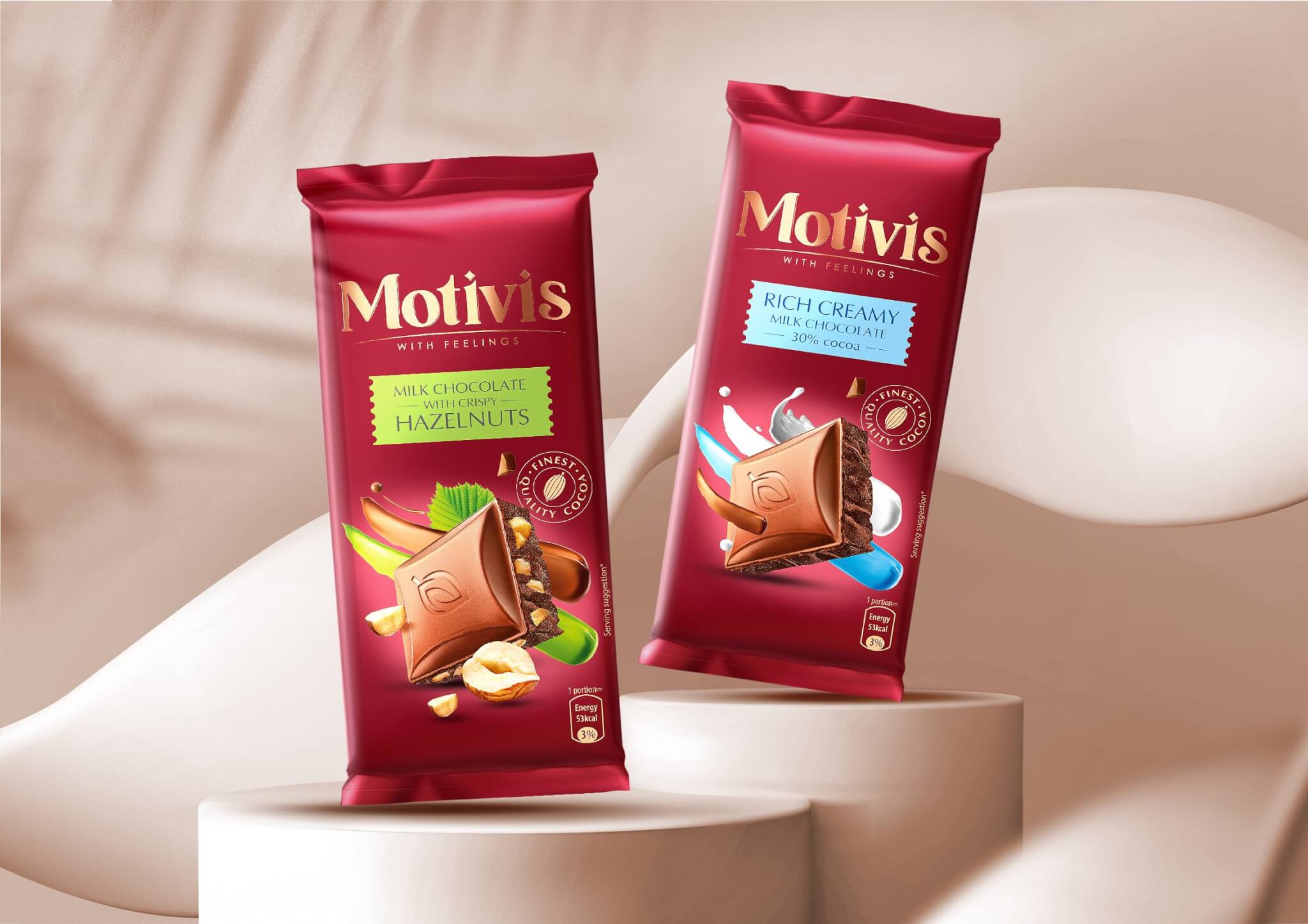
The development of concepts takes into account the feasibility of technical implementation, including the selection of materials and packaging elements. We explore opportunities to give the packaging uniqueness or optimize it. All proposed options will be presented as 3D visualizations of the product in its natural environment and context to accurately convey the materials and printing technologies used.
Each of our concepts provides a well-reasoned answer to how it aligns with and embodies the brand’s goals and objectives. After presenting the concepts, there is room for revisions and feedback from the client. Once the concept is approved, all prepared materials are readied for the layout stage.

Stages of the project:
- 1. Review of Expert Brief у →
- 2. Initial Idea Generation →
- 3. Trend and Style Analysis →
- 4. Reference Selection →
- 5. Client Briefing →
- 6. Design Concept Development →
- 7. Presentation Conducting →
- 8. Discussion →
- 9. Incorporating Feedback and Revisions →
- 10. Approval →
- 11. Preparing Files for Layout →
CONSISTENT AND INFORMED ACTIONS
FOR GROWTH AND DEVELOPMENT
BRAND AND TEAM
FORM REQUESTS AND GOALS
ANALYZE AND FORM HYPOTHESES
ADD DYNAMICS TO BRAND
conceptual solutions
help to promote

Didn’t find your answer?
Then send it to us right now. We usually reply quite quickly. And we add the most interesting questions here.
Ask us
We are often asked
How many concepts do you offer to choose from?
We offer a minimum of 3 concepts to choose from. However, if the project is interesting, the team is deeply involved in the process, and the technical brief is well-developed, our designers may show enthusiasm and offer more options. In such cases, the number of concepts can reach up to 8, including different configurations and design approaches. We strive to provide enough ideas so that you can select the optimal solution for your brand.
Can corrections be made to the concept?
Yes, of course. We typically allow up to two conceptual revisions. These are changes that significantly impact the overall design, such as:
· Restructuring and rearranging key elements.
· Creating a new concept by combining elements from previously proposed versions.
Such revisions are helpful if the client likes several concepts, and we work on merging them. Minor adjustments, such as changing the colors, font sizes, angles of the food zone, or placement of labels, are considered technical edits. These can be made during the layout stage after the overall concept has been approved.
We aim to make the process as smooth and efficient as possible for the client.
How are the concepts presented?
The presentation of concepts usually takes place in an online format. We start by reviewing the technical brief to refresh the project’s goals and objectives. Then, we sequentially showcase the developed concepts:
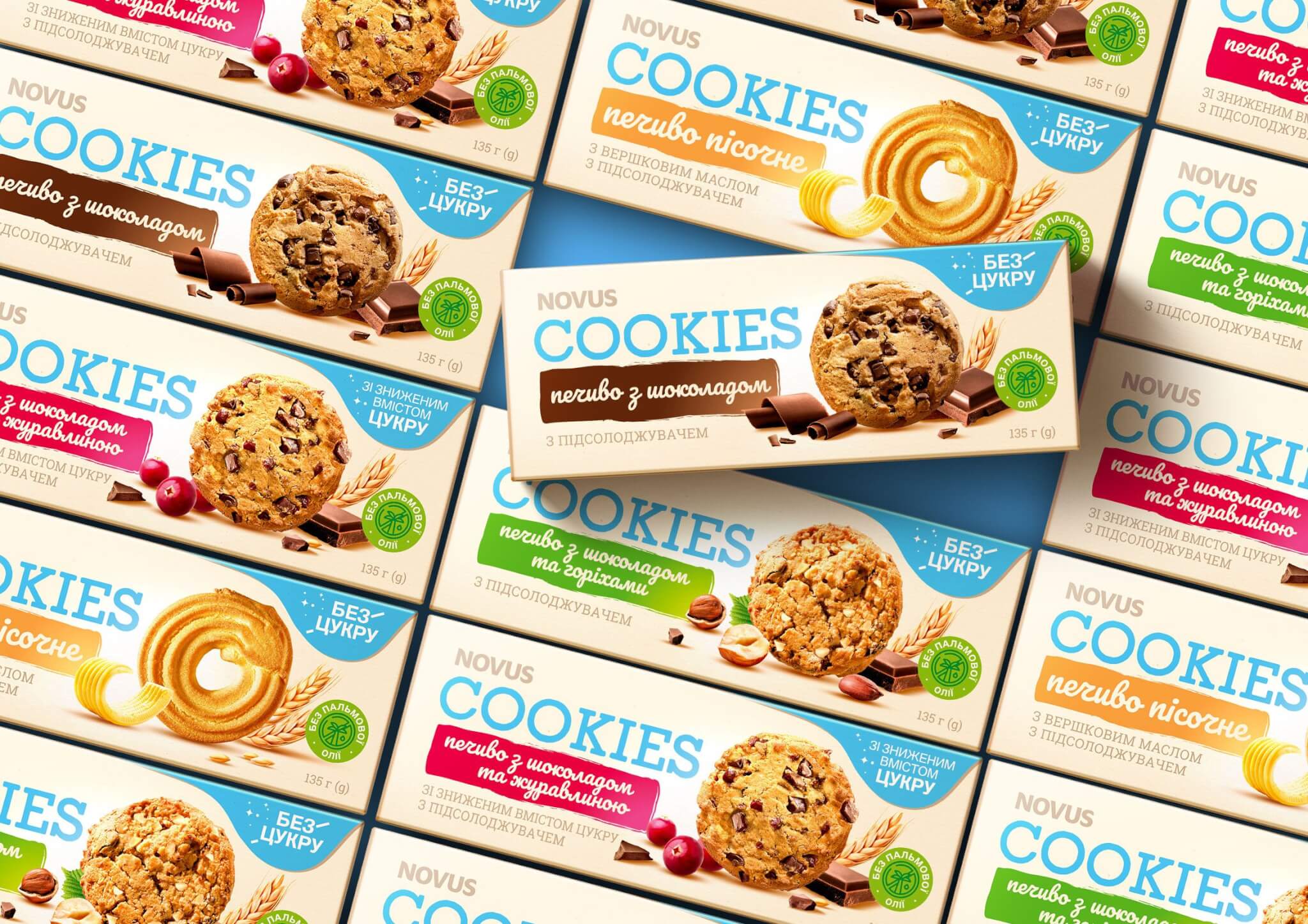
Each concept is presented through visualizations of the packaging in its typical environment (e.g., on a store shelf or in the hands of a consumer). We also demonstrate comparative visualizations to show how the concept looks in the context of competing products.
Each concept is accompanied by an explanation of how it addresses the assigned tasks and contributes to product sales. This approach allows you not only to see the design in action but also to understand how it will perform in the market environment.
How to evaluate packaging design?
Packaging design is often evaluated subjectively, based on whether it “looks good or not.” While we generally consider the client’s opinion, it’s important to remember that the primary goal of packaging is not just aesthetics, but also functionality.
For objective evaluation, we recommend using three key criteria:
1. How well does the design evoke the right associations and emotions within the target audience?
2. How clear are the contents and product characteristics presented on the packaging?
3. Do the design elements contribute to the product’s selection and drive sales growth?
Thus, effective packaging should not only be visually appealing but also serve the business objectives.